






Moving to a new home requires careful coordination and significant effort. People often underestimate the time required to sort, box up, and transport their entire household. Without a solid strategy, the process easily becomes overwhelming and chaotic.
A well-structured plan prevents last-minute panic and ensures your belongings arrive safely at your new destination.
By breaking the massive project into smaller, manageable tasks, you maintain control over the entire transition. Access to the right information and tools significantly reduces the friction typically associated with relocating.
This comprehensive article outlines the critical steps necessary for a successful move. You will discover practical strategies for organizing your timeline, protecting your valuables during transit, and budgeting effectively for professional services. Read on to learn how to streamline your upcoming relocation.
Establishing a Moving Timeline
A successful relocation begins weeks before the actual moving day. Planning gives you ample opportunity to handle unexpected delays and administrative tasks.
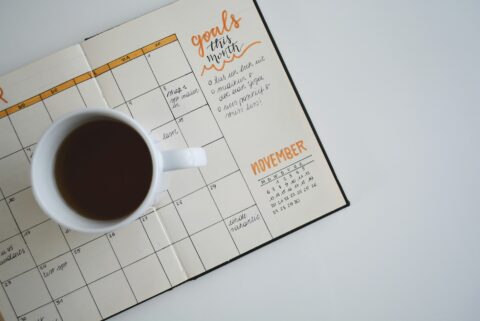
Creating a Weekly Checklist
Breaking your tasks down week by week keeps you on track. Start planning at least eight weeks in advance. During the first few weeks, focus on administrative duties like notifying your landlord, transferring school records, and creating a master inventory.
As moving day approaches, shift your attention to physical preparation. Following a structured schedule prevents tasks from piling up at the last minute.
Proven Moving Tips for Success
Gathering reliable advice from experienced professionals saves you time and physical strain. Implementing practical moving tips throughout your journey ensures maximum efficiency.
Decluttering Before You Pack
One of the most valuable tips you can apply is to purge unwanted items early. Transporting things you no longer need wastes time and increases your overall costs.
Sort your belongings into categories: keep, donate, sell, and discard. By lightening your load, you make the packing process significantly easier. Remember to review these tips regularly to stay focused on efficiency.
Here are a few ways to declutter effectively:
- Host a garage sale to earn extra cash for moving expenses.
- Donate gently used clothing and furniture to local charities.
- Dispose of expired pantry items and hazardous materials properly.
- Digitize important documents to save physical space.
Utilizing Comprehensive Packing Guides
Protecting your possessions requires proper techniques and high-quality materials. Following detailed guides prevents damage to your most cherished items.
Protecting Fragile Items
Kitchenware, electronics, and artwork need special attention. Standard packing guides recommend using sturdy, double-walled boxes for heavy or delicate objects. Wrap each fragile piece individually in bubble wrap or unprinted newsprint.
Fill any empty spaces in the boxes with packing peanuts or crushed paper to prevent shifting during transit. Consulting specialized guides for specific items like pianos or large mirrors will save you from costly mistakes.
Essential packing supplies include:
- Assorted sizes of heavy-duty cardboard boxes.
- Quality packing tape and dispensers.
- Bubble wrap and packing paper.
- Thick permanent markers for clear labeling.
How to Obtain Accurate Moving Estimates
Budgeting is a critical component of any household transition. Securing reliable estimates helps you avoid hidden fees and financial surprises on moving day.
Understanding Different Quote Types
Professional relocation companies offer different pricing structures. When requesting estimates, ask if the quote is binding or non-binding.
A binding estimate guarantees the total cost based on the inventory provided, while a non-binding estimate can fluctuate based on the actual weight of your shipment. It is wise to gather moving estimates from at least three different reputable companies to compare rates and services.
Managing the Logistics of Moving Day
The final day at your old residence requires clear communication and stamina. Having a plan for the day itself keeps everyone aligned and productive.
Communicating with Your Team
Whether you hired professionals or enlisted friends, clear instructions are vital. Point out fragile boxes and indicate which items should be loaded last. Keep essential items, such as medications, basic toiletries, and a change of clothes, in a separate bag that travels with you in your personal vehicle. This ensures you have immediate access to necessities upon arrival.
Accessing Essential Tools Online
Digital platforms offer an abundance of resources to support your transition. Centralizing your planning efforts through a dedicated website simplifies the entire process.
Exploring Our Digital Platform
Finding trustworthy information is the key to a smooth relocation. You can access comprehensive checklists, expert advice, and professional service recommendations all in one place.
For more detailed support and tools tailored to your specific journey, visit https://edcmovestar.com/. Utilizing these centralized resources ensures you never miss a critical step during your transition.
Taking the Next Step Toward Your New Home
Settling into your new space marks the exciting conclusion of your moving journey. Unpack methodically, starting with essential rooms like the kitchen and bedrooms.
Take time to familiarize yourself with the new neighborhood and update your address with the postal service and important financial institutions. With the heavy lifting finished, you can finally relax and enjoy the comfort of your new home.